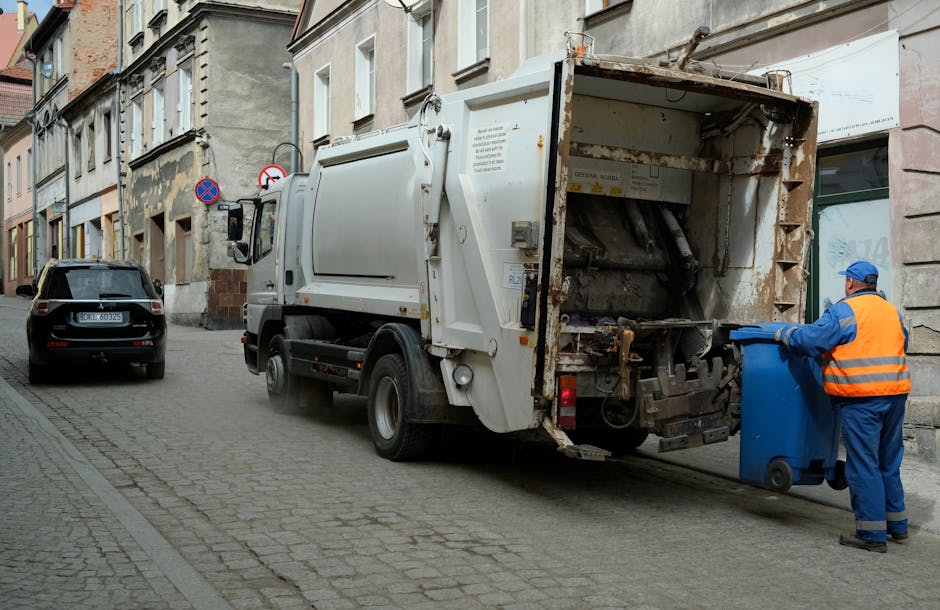
Hendon Central guide to domestic rubbish removal

If you live in or around Hendon Central, domestic rubbish removal can go from a small weekend job to a full-blown headache faster than you'd expect. One minute it's a few broken boxes and an old chair; the next it's a hallway you can't quite walk through without sidestepping a pile of stuff. This Hendon Central guide to domestic rubbish removal is here to make the whole process feel calmer, clearer, and much more manageable.
We'll look at how domestic rubbish removal works, what can usually be taken, where people often go wrong, and how to choose the right approach for your home. You'll also find a checklist, a practical comparison table, and a realistic example so you can judge what makes sense for your situation. Let's face it: when you're already busy, the last thing you need is another confusing task hanging over you.
Why Hendon Central guide to domestic rubbish removal Matters
Domestic rubbish removal sounds simple until you actually need to do it. In a busy London setting like Hendon Central, the practical issues tend to stack up: limited space outside the home, shared access in flats, parking pressure, awkward stairwells, and the sheer inconvenience of moving bulky waste by hand. A small job can quickly become a logistical puzzle.
It also matters because the wrong disposal approach can create avoidable problems. Mixed waste can lead to extra sorting. Bulky items left in communal areas can annoy neighbours. And trying to move heavy waste without the right equipment can be, frankly, a bit daft. People often only realise this once they've already dragged a mattress halfway down the stairs and discovered it doesn't fit through the hallway. Been there, or at least it feels like it.
Good domestic rubbish removal is about more than just getting rid of clutter. It's about restoring usable space, reducing stress, and making sure items are handled sensibly. That can mean separating general household waste from furniture disposal, appliance removal, garden waste, or items that need special handling. A proper plan saves time and usually saves energy too.
For many households, the real value is peace of mind. You know what's going, what's staying, and who is taking responsibility for the collection. That clarity makes a surprising difference when life is already busy.
If you're deciding whether a home clearance approach might be more suitable than a one-off waste pickup, it can help to compare the options with broader services such as home clearance, house clearance, or more targeted items like furniture disposal. The best choice depends on volume, access, and how mixed the waste really is.
How Hendon Central guide to domestic rubbish removal Works
At its simplest, domestic rubbish removal follows a clear sequence: identify what needs removing, check what can and cannot go, choose the collection method, then load and dispose of the waste responsibly. The details vary, but that basic flow stays the same.
Most household removals fall into one of a few categories. You might be clearing out old furniture from a spare room, removing garden debris after a tidy-up, or dealing with accumulated clutter from a loft or garage. In some homes, it's a single task. In others, it's a mixed load with several types of waste involved. That's where planning matters.
A reputable waste removal process will usually start with a description of the items and the access conditions. Is it a top-floor flat? Is there lift access? Is parking tight outside? Are there heavy items like sofas, fridges, or washing machines? These details can affect the collection method and the time needed on site. They're not just admin; they shape the whole job.
Sorting is another important part. Clean recyclables, reusable household items, and general waste should ideally be separated where possible. It makes handling more efficient and can help reduce the amount sent to landfill. If you're also thinking about sustainability, the recycling and sustainability page is a useful related read.
Some households use a skip for straightforward projects, while others prefer a man-and-van style rubbish collection because it's quicker and avoids having a container sitting outside for days. If you want to understand the difference between what can go where, the guide on what can go in a skip is a handy starting point. Not every load is skip-friendly, and that catches people out more often than you'd think.
Key Benefits and Practical Advantages
Domestic rubbish removal has some obvious benefits, but the best ones are often the practical ones you notice later. The room feels bigger. The hallway is clear again. You stop stepping around that pile in the corner every morning. Small thing, maybe, but very real.
- Faster recovery of space: clearing waste gives you back bedrooms, lofts, garages, and living areas without dragging the process out.
- Less physical strain: heavy lifting and repeated trips downstairs are no joke, especially with bulky waste.
- Better organisation: once unwanted items leave, it becomes much easier to decide what stays.
- Cleaner presentation: useful if you're preparing a home for letting, sale, renovation, or family visits.
- Reduced risk of damage: fewer chances of scraping walls, doors, or bannisters when moving awkward items.
- More sensible disposal: waste can be separated, recycled, and handled with the right care.
There's also a time-saving benefit that's easy to underestimate. One trip with the right collection can beat a whole afternoon of trying to borrow a car, finding bags, loading everything, and hunting for where to take it. In practice, people often choose removal because they just need the job gone, properly and without fuss.
For bulky items, specialist services can be especially helpful. A mattress in a narrow stairwell is not the same as a couple of bin bags. Nor is a tired old sofa that has seen better days, to be fair. For that kind of load, services such as mattress and sofa disposal or furniture clearance can be a better fit than a general rubbish run.
Who This Is For and When It Makes Sense
This guide is useful for a surprisingly wide range of people. If you're a homeowner doing a seasonal clear-out, a tenant moving out, a landlord preparing a property, or a family managing a probate-style house clear, the same core questions come up: what needs removing, how quickly, and what is the least stressful way to do it?
It also makes sense if you live in a flat or maisonette where access is awkward. Shared entrances, narrow stairs, and parking restrictions can turn even a modest load into a nuisance. In those cases, a service that can come in, assess the items, and clear them in one go is often far more practical than trying to do it yourself.
Domestic rubbish removal is often the right choice when you have:
- old furniture that is too bulky for normal bin collections
- bagged waste from decluttering or moving home
- garage or loft clutter that has built up over years
- garden cuttings, soil bags, or broken outdoor items
- appliances that need careful handling
- a mix of reusable and non-reusable household items
It's also useful after small renovation projects. For example, if you've ripped out a cupboard, removed old shelves, or replaced worn flooring, you may end up with a pile of domestic waste mixed with light builders' debris. If the load includes sharp offcuts, heavy rubble, or renovation leftovers, builders waste clearance may be the more suitable route.
And if the task has grown beyond a simple rubbish collection and become a full room-by-room reset, services like loft clearance or garage clearance may save you a lot of second-guessing.
Step-by-Step Guidance
Here's a straightforward way to approach domestic rubbish removal without overcomplicating it.
- Walk through the property. Look at each room and decide what is waste, what is reusable, and what should stay.
- Separate item types. Keep general rubbish, furniture, appliances, garden waste, and confidential papers apart where possible.
- Check for special items. Fridges, freezers, sofas, mattresses, and anything hazardous may need separate handling.
- Clear access paths. Make sure stairways, doors, and hallways are usable. It helps the collection go smoothly and safely.
- Estimate the volume. A few bags is one thing; an overstuffed loft is another. Be honest here, because it affects the method.
- Choose the right service or method. Compare a one-off collection, a full clearance, or another disposal route depending on the load.
- Confirm timing. Think about parking, neighbours, work hours, and whether you need the waste gone before a deadline.
- Prepare for removal day. Keep items together, label anything uncertain, and remove personal belongings from drawers or cupboards.
- Check the result. A quick final walk-through helps make sure nothing important has been taken by mistake. It happens.
A practical tip: take photos before you start, especially if you're dealing with a mixed space like a loft or garage. It helps you remember what was there and can make the job easier to explain if you're speaking to a clearance team. It sounds simple, but it often saves a bit of back and forth.
If you're planning a broader home reset, flat clearance can be a useful option for smaller properties, while house clearance is better suited to fuller, multi-room projects. The distinction matters more than most people expect.
Expert Tips for Better Results
After enough clear-outs, a few patterns become obvious. The smoother jobs nearly always have the same traits: they're sorted early, access is thought through, and the customer knows what they want removed before anyone arrives. Simple, but powerful.
Tip 1: Don't mix everything together. If you can separate items in advance, do it. Recyclables, furniture, general waste, and anything sensitive should not all be thrown into one unsorted heap unless there is genuinely no time.
Tip 2: Check awkward items first. Appliances, bulky furniture, and items with hidden contents deserve attention. A fridge may sound like "just another item", but it is usually heavier, trickier, and more specific than people assume. For that sort of load, fridge and appliance removal can be the safer choice.
Tip 3: Make the access route obvious. If you're in a block of flats, say so. If parking outside is tight, say so. If there's a lift but it's small, say so. It's not being difficult; it's being helpful.
Tip 4: Keep valuables out of the way. Old cupboards and loft spaces can hide more than you remember. That random envelope you meant to keep? Best move it now rather than later.
Tip 5: Think in terms of the whole job, not just the first pile. A room clear often uncovers more waste than expected. If you know there's more behind that wardrobe or under the beds, say it from the start.
Expert summary: the best domestic rubbish removal jobs are rarely the biggest; they're the ones where the load is understood, the access is clear, and the method matches the reality of the property.
If you're trying to keep things tidy while also reducing waste, it can help to combine removal with a broader declutter. A home that's half-cleared, with "maybe" items left everywhere, tends to stay stressful. Clear decisions beat vague intentions. Every time.
Common Mistakes to Avoid
Most removal problems are avoidable. They usually come from rushing, assuming too much, or leaving key details until the last minute.
- Underestimating volume: people often think a room is "only a few bags" until everything is piled up and measured properly.
- Forgetting access issues: stairs, parking, narrow doorways, and shared entrances can be the difference between simple and complicated.
- Mixing prohibited items with general waste: certain items need special handling and should never be treated casually.
- Leaving sorting too late: once everything is on the pavement or in one corner, the job becomes harder.
- Ignoring recycling opportunities: throwing everything away as generic rubbish can be wasteful and unnecessary.
- Not checking what you actually want removed: this is especially common during house clearances when sentimental items are sitting near obvious rubbish.
Another quiet mistake is assuming every collection works the same way. It doesn't. A garage filled with loose junk, a flat clearance with furniture, and a garden load of soil and branches are different jobs. If your waste includes a mix of items, be realistic about that from the beginning. It saves hassle later.
And yes, there is always one item that turns out to be heavier than it looks. Always.
Tools, Resources and Recommendations
You do not need a van-load of gear to organise domestic rubbish removal, but a few simple tools can make the process far easier.
- Sturdy bin bags: useful for general household waste, soft furnishings, and smaller mixed items.
- Boxes or storage tubs: handy for sorting keepsakes, papers, and reusable items before a clearance.
- Labels or marker pens: useful if you want to mark "keep", "remove", or "unsure".
- Gloves: basic but worth it when handling dusty loft waste or garage clutter.
- Tape measure: helpful for checking whether bulky items will fit through doors or corridors.
- Phone camera: ideal for taking a quick before-and-after record and for sharing load details if needed.
For people who want a more structured approach to pricing or planning, the pricing and quotes page can help frame what kind of job you're dealing with. If you are booking online, the book online option is a neat way to get moving without a long email chain.
If you want to understand the broader service picture, pages such as waste removal, furniture clearance, and garden clearance help show how different types of household waste are usually approached. That can be useful when your load is not neatly one thing or another.
Law, Compliance, Standards, or Best Practice
Domestic rubbish removal in the UK is not just about convenience. There is a basic expectation that waste is handled responsibly, transferred to the right place, and not dumped somewhere it should not be. You do not need to become a compliance expert overnight, but it does help to know the broad principles.
As a homeowner or tenant, the most important thing is to avoid handing waste to anyone who cannot demonstrate that they handle it properly. In practical terms, that means asking sensible questions, checking service terms, and making sure your waste is being collected by a legitimate provider. If you are arranging a clearance, it is reasonable to expect clear communication about what happens to the items afterwards.
Hazardous or sensitive items deserve extra care. Paints, chemicals, solvents, and similar materials should not be mixed in with general domestic rubbish. The same goes for personal papers or anything that should not be casually exposed. If confidentiality matters, a dedicated service such as confidential shredding may be more appropriate.
Safety matters too. Heavy lifting, sharp edges, dust, mouldy loft contents, and old furniture can all create avoidable risks. A responsible clearance approach should factor in safe handling, proper loading, and the right equipment where needed. If you want to understand how a provider approaches that side of the job, health and safety policy and insurance and safety are the kinds of pages worth checking.
Best practice is pretty straightforward: sort waste carefully, avoid unsafe lifting, do not mix special waste with household rubbish, and choose a service that treats disposal as a responsibility rather than a quick shrug and a van ride. That's the standard worth aiming for.
Options, Methods, or Comparison Table
People usually choose one of three routes for domestic rubbish removal: do it themselves, hire a skip, or use a waste collection/clearance service. Each has its place. Which one is right depends on volume, access, time, and how much effort you want to put in.
| Method | Best for | Pros | Watch-outs |
|---|---|---|---|
| DIY disposal | Small amounts of household waste and light items | Can feel cheap upfront; complete control over timing | Time-consuming, physically hard, parking and transport headaches |
| Skip hire | Projects with steady waste output and space for a skip | Good for ongoing clear-outs; lets you load at your own pace | Needs space outside; not ideal for all waste types; may not suit flats |
| Waste removal service | Mixed household waste, bulky items, quick clearances, awkward access | Convenient, fast, little lifting for you, often best for flats and busy homes | Needs clear communication about load type and access |
A simple rule of thumb: if your waste is awkward, heavy, or mixed, a removal service often makes the most sense. If you have space and time, a skip can work well. If it's only a few manageable bags and you already have transport, DIY might be enough.
For anyone unsure about container-based disposal, the guide on what can go in a skip is useful because it helps you avoid the classic "we thought it could all go in" mistake. That one causes more delays than people realise.
Case Study or Real-World Example
Consider a typical Hendon Central flat: one spare room has become a holding area for an old armchair, broken shelving, a disused hoover, cardboard, and a few bags of mixed clutter from over the years. The hallway is narrow, the staircase is shared, and parking outside is hit and miss. The owner wants the room cleared before guests arrive the following weekend.
At first glance, it sounds like "just a small clear-up". But once the items are listed properly, the job becomes more involved. The armchair is bulky, the shelving needs careful lifting, and there are mixed materials that should be separated if possible. Because access is awkward, dragging items down to the street would take time and could annoy neighbours. Not ideal.
In that kind of situation, a domestic rubbish removal approach is usually smoother than trying to do it yourself. A team can assess the load, remove the bulky pieces, and take the waste in one visit. If the room also contains reusable furniture, then furniture-specific disposal or clearance may be more sensible than treating everything as generic rubbish.
The end result is not just a cleaner room. It is a room you can actually use again, which is really the whole point. A bed can go in there. A desk. Or nothing at all, which is lovely too. Space, once you get it back, has a quiet way of making life feel lighter.
Practical Checklist
Use this before collection day or before you book a service.
- Walk through every room and identify what is being removed.
- Separate furniture, general waste, garden waste, appliances, and confidential items.
- Check whether anything needs special handling.
- Measure bulky items if access looks tight.
- Make sure paths, stairways, and doorways are clear.
- Decide whether the job is best handled as rubbish removal, clearance, or a more specific service.
- Take a few photos of the load if you want a clearer record.
- Move valuables, documents, and keepsakes out of the way.
- Confirm parking or access details if needed.
- Do a final sweep before anything is loaded.
One small but useful habit: keep a "maybe" box. If you're not sure whether something should stay or go, put it aside and decide at the end. It's a tiny trick, but it stops you making rushed decisions in the middle of a cluttered room.
Conclusion
Domestic rubbish removal in Hendon Central is easiest when you treat it as a process rather than a scramble. Know what you have, sort what matters, be honest about access and volume, and choose the method that fits the reality of your home. That approach saves time, avoids surprises, and usually leaves you feeling far less frazzled.
Whether you are clearing a single room, dealing with bulky furniture, or sorting out a bigger household project, the same principle applies: clarity first, movement second. And once the waste is gone, the relief is immediate. The room feels calmer. The house breathes a bit easier. Nice, really.
Get a free quote today and see how much you can save.
For a provider overview, service details, and standards information, you can also explore about us, recycling and sustainability, and contact us if you are ready to talk through a specific clearance. Sometimes the fastest way forward is just a proper conversation.
Frequently Asked Questions
What counts as domestic rubbish removal?
Domestic rubbish removal usually means collecting and disposing of household waste from a home, flat, garden, loft, garage, or similar residential space. It can include general rubbish, furniture, bags of clutter, and other non-commercial household items.
Is domestic rubbish removal better than hiring a skip?
It depends on the job. A skip can work well if you have space and want to load waste yourself over time. A rubbish removal service is often better for bulky items, mixed loads, awkward access, or when you want the waste gone quickly without doing the lifting.
Can old furniture be taken away with domestic rubbish?
Yes, in many cases it can. Sofas, chairs, tables, wardrobes, and similar pieces are commonly removed as part of household clearance. If you have several large pieces, furniture-specific services may be more efficient.
What should I do with fridges or other appliances?
Appliances usually need careful handling because of their weight and components. It is sensible to treat them separately and use a service that handles appliance removal properly, especially for fridges, freezers, and washing machines.
Can I mix garden waste with general household rubbish?
You can sometimes do that in practice, but it is often better to separate garden waste from general domestic rubbish. Branches, soil, turf, and green waste are easier to deal with when kept apart, and it can help with sorting and disposal.
How do I know if my waste is hazardous?
If the item contains chemicals, paints, solvents, unknown liquids, or other risky materials, treat it as potentially hazardous. When in doubt, keep it separate and ask for advice before putting it into a general household load.
What if I live in a flat with difficult access?
That is very common in London, and it is exactly where planning matters. Mention stairs, lifts, narrow corridors, and parking conditions early so the collection method can be matched to your building.
How much sorting should I do before collection day?
As much as is practical. You do not need to prepare everything perfectly, but separating obvious categories like furniture, bagged rubbish, and special items makes the job much smoother and can reduce confusion on the day.
Can rubbish removal include a loft or garage clear-out?
Yes. Loft and garage clear-outs are among the most common domestic jobs because those spaces tend to collect years of forgotten items. They often need a little more planning because of access, dust, and awkwardly stored belongings.
What is the biggest mistake people make with domestic rubbish removal?
The biggest mistake is underestimating the load. People often think they have a small pile, then discover they also need to deal with hidden clutter, bulky furniture, and a few surprise items tucked away in cupboards or corners.
Is it worth using a professional service for a small load?
Sometimes, yes. If the waste is awkward, heavy, time-sensitive, or difficult to move, a professional service can still be worth it even for a small amount. It often comes down to convenience and the kind of items involved, not just volume.
How do I choose the right service for my home?
Start with the type of waste, then think about access, timing, and how much lifting you want to do yourself. If you need help with mixed household waste, bulky furniture, or a full home clear, a broader service such as waste removal or house clearance may be more suitable than a one-off item collection.
Whatever size the job is, the aim is the same: make the space usable again without turning the whole thing into a weekend you regret. A little planning goes a long way, and honestly, that is half the battle won.