Commercial Waste Hendon: Recycling and Sustainability for a Greener Neighbourhood
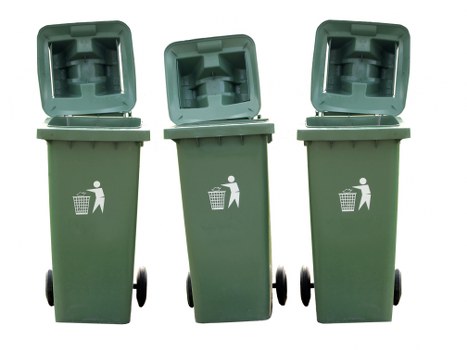 Commercial Waste Hendon is committed to developing an eco-friendly waste disposal area and a thriving sustainable rubbish area across the Hendon business community. Our approach is practical and evidence-based: we combine local operational know-how with regional waste policies to reduce carbon, increase reuse, and improve diversion from landfill. By focusing on the unique needs of Hendon shops, offices and light industrial units we help businesses meet their environmental obligations while reducing disposal costs.
Our sustainability framework sets a clear recycling percentage target: we aim to reach a 65% recycling rate for all Hendon commercial waste streams within the next five years, with interim milestones each year to track progress. That target covers dry mixed recycling, segregated food waste, and targeted reuse streams for textiles, furniture and electronics. Hitting this benchmark relies on collaboration with the borough's approach to waste separation, which encourages separate collection for paper and cardboard, glass and cans, food waste and residual waste.
 The practical side of sustainable rubbish management in Hendon includes designated on-site segregation points, staff training and clear labelling so that bins arriving at local transfer stations contain sorted materials ready for processing. We work alongside borough transfer facilities and neighbouring authority hubs — for example, transfer networks coordinated through North London waste routes and nearby facilities such as Edmonton EcoPark — to ensure collected materials enter the correct treatment stream quickly and with minimal transport mileage.
Hendon commercial waste services also prioritise reuse partnerships to extend the life of items that would otherwise become waste. We have established relationships with local charities and redistribution partners to divert usable furniture, office equipment and textiles to community groups. These partnerships include national and local charities such as the British Heart Foundation Reuse & Recycling Centres, TRAID for clothing reuse, and smaller Barnet-area community groups who operate reuse hubs. Together we create a circular path for resources rather than a linear throwaway route.
Low-Carbon Fleet and Transport
Reducing transport emissions is as important as increasing recycling. Our fleet strategy relies on low-carbon vans — a mix of fully electric vehicles and Euro-6 hybrids — plus cargo bikes for last-mile collections in tighter streets. These low-carbon vans reduce particulate emissions and NOx in the Hendon area and help deliver a lower-carbon commercial waste collection service that aligns with London’s wider air quality and decarbonisation goals. Operational planning emphasises route optimisation and load consolidation so fewer vehicles are on the road and fewer miles are driven per tonne collected. That reduces costs and emissions, and it means more frequent, reliable pickups for businesses that want to maintain high recycling rates without storing excess waste on site.
Local Transfer Stations and Material Flow
Our commercial waste streams are routed through audited local transfer stations and material processing centres. These stations act as consolidation hubs where segregated materials are checked and redirected to the correct recycler or reprocessor. By using trusted facilities within North London and the borough, we cut unnecessary journeys and ensure compliant handling of regulated streams such as WEEE (electrical waste), mixed construction waste and inert materials from small refurbishment jobs.To support the sustainable rubbish area concept, we encourage businesses to adopt simple on-site separation tactics: dedicated containers for cardboard, a clear bin for cans and glass, and a sealed collection for food waste. A short list of practical recycling activities commonly adopted across the borough includes:
- Segregated food waste collections for cafes and staff kitchens
- Dedicated cardboard and paper compactors for retail and warehousing sites
- Hazardous waste containment and documented transfer for labs and healthcare providers
- Electrical and electronic equipment (WEEE) sorting and direct donation routes for working items
These measured actions align with the boroughs' approach to waste separation, helping local authorities meet statutory recycling targets while giving businesses clear, manageable steps to recycle more effectively.
We also place strong emphasis on reporting and transparency. Regular environmental performance reports track the recycling percentage target and present emissions savings from our low-carbon vans and routing efficiencies. These reports include diversion rates by material type and provide evidence that resources are being reused or recycled rather than landfilled.
Partnerships with charities are central to our reuse work: a targeted reuse pathway is established for furniture, working electronics and surplus office supplies so that items are refurbished and sent back into productive use. This approach benefits local communities, supports social enterprises and reduces the commercial waste stream burden.
 As part of our community engagement, we support micro reuse centres and pop-up collection days where businesses can drop off bulk items for direct charity collection. These initiatives keep valuable materials circulating locally and provide an accessible route for companies to dispose of non-hazardous items sustainably.
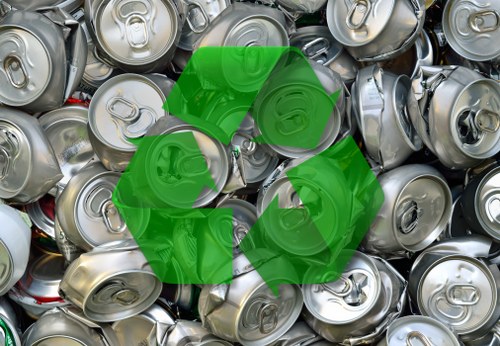 Finally, Commercial Waste Hendon encourages continuous improvement: we provide tailored waste audits, performance targets and advice to help businesses move towards circular procurement and lower overall waste intensity. By combining a clear recycling percentage target with low-carbon vans, partnerships with charities, efficient transfer station use and borough-informed separation practices, Hendon can build a resilient, eco-friendly waste disposal area that supports local economic and environmental health.
Across Hendon, our objective is simple: increase reuse, raise recycling rates, reduce transport emissions and create a sustainable rubbish area that businesses and residents can rely on. With coordinated action and practical systems in place, the potential for measurable environmental benefit is significant — and every collected tonne diverted from landfill is a step toward a greener future for Hendon.
Why this matters: lowering landfill, supporting local charities, and using low-emission vehicles are not separate goals but parts of a single strategy to mainstream sustainable commercial waste practices across Hendon.
