Commercial Waste in Hendon
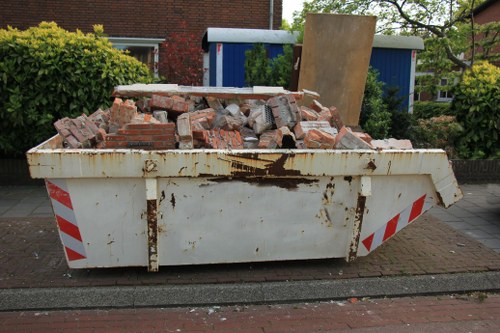
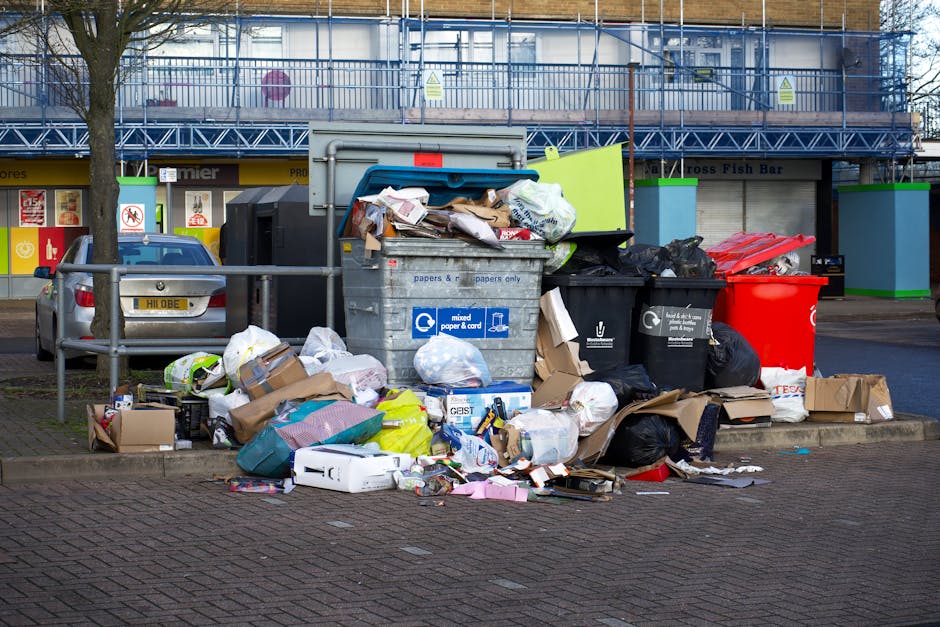
Commercial waste in Hendon needs a service that is organised, clearly scoped and suited to the rhythm of business premises, from shops and offices to shared workspaces, hospitality venues and managed properties. We collect and remove business waste in a way that helps keep storage areas, back-of-house spaces and loading points workable, with practical support for recurring clearances and one-off jobs alike. The emphasis is on handling waste streams sensibly, separating what can be recovered from what must be disposed of, and making the process straightforward for busy teams.
Our business waste removal service is designed for customers who want a dependable route for routine rubbish, bulky items and mixed commercial materials without turning the task into an in-house project. We can help with general business waste, old fixtures, unwanted furniture, packaging, and other non-hazardous material that has accumulated during trading, moves or refurbishments. If you need a clear, commercial approach rather than an improvised tidy-up, our team can keep the work focused on removal, handling and responsible disposal.
For a clearer picture of the options and the way costs are usually shaped, you can review the pricing and quotes information before you send your details. Space, weight, access and waste type all matter when commercial waste is priced, so giving a short description of the load makes it easier to identify the right approach. If you are arranging a first clearance or a recurring uplift, a concise enquiry is usually enough to begin the conversation.
Business waste collections for day-to-day operations
Many premises generate mixed waste gradually, so a useful service has to cope with the ordinary reality of trading rather than only large clear-outs. That may include bags of general rubbish, archived material that is no longer needed, small broken items, display materials and packaging that has built up behind the scenes. A good collection should be practical enough to fit around opening hours, staff movement and access constraints, while still keeping the waste route simple for the customer.
We also understand that business waste often arrives in different forms within the same site. An office may have paper, obsolete equipment and furniture; a retail unit may have card, shelving and promotional materials; a light industrial unit may have pallets, offcuts or redundant fixtures. The work is more useful when it is handled as commercial waste rather than as a generic house clearance, because the load, access and disposal needs are often different. Clear sorting at source can also make the process smoother, especially when recyclable material is present alongside general rubbish.
If you are planning a removal and want to keep the next step straightforward, make a brief list of what needs to go and note any access issues such as stairs, limited parking or loading restrictions. That information helps shape a sensible quote and reduces the need for back-and-forth. You can then send a request for a quotation when you are ready, especially if the job includes several waste types or needs careful timing around trading hours.
Office clearances and workplace waste

Office waste tends to include more than just paper. Desks, chairs, storage units, monitors, boxed equipment, archive material and assorted broken fittings can all accumulate in one workspace over time. Our office clearance approach is built around removing these items in an orderly way, with attention to access, floor protection and the need to keep the work area manageable while the clearance is under way. That makes it suitable for occupied offices, changing layouts and end-of-tenancy work.
Where an office contains a mix of reusable, recyclable and general waste items, the most sensible approach is to separate them before removal wherever practical. That helps reduce confusion and can make the disposal route more efficient. We can help with office clearance when the task involves whole rooms, individual suites or selected items that no longer fit the working environment. The key is to match the removal to the actual layout and the amount of material on site.
Some office jobs are straightforward, while others involve archived papers, worn fixtures or equipment that needs careful handling as part of a broader clearance. If the job also includes sensitive paperwork, a separate shredding arrangement may be relevant, but only where the material and the route are appropriate. For general planning, it is useful to know whether lifts, narrow corridors or shared entrances affect the move, because these details can influence how the waste is collected and arranged for disposal.
Retail, hospitality and premises support
Shops, cafés, restaurants and other customer-facing premises often need waste removal that is discreet and efficient. Waste can include packaging, broken display items, redundant stock, back-of-house clutter and larger pieces such as tables, counters or storage units. The service is most useful when it accounts for how the premises operate, because removal during a trading day needs to be planned around customers, staff and supplier deliveries. That practical focus can make the process far less disruptive.
Our team can handle business items that are awkward to store, difficult to move or no longer needed after a refit, seasonal change or stock adjustment. If the job involves furniture, fixtures or a combination of waste types, it helps to treat the clearance as a single organised task rather than several separate calls. You can also look at furniture clearance if chairs, tables, cabinets or other workplace items form a significant part of the load. That gives a clearer route when the main problem is bulky contents rather than bagged rubbish.
When premises are shared or have restricted access, a short written note about where the waste is located can be more useful than a long explanation. Access, loading and timing are often the main practical points. If you are unsure how to describe the job, start with the type of premises, the main waste items and any obstacles, then ask for a quotation based on that information. It is usually the easiest way to turn a messy collection of items into a manageable removal plan.
About Hendon

Hendon is a district in the London Borough of Barnet, in north London, and has long been associated with movement, transport and suburban development. The area includes the high ground of Hendon The Hyde and sits near important routes such as the A41 and the North Circular Road, which have helped shape its modern character. Historically, Hendon was once a separate civil parish in Middlesex, and its name appears in records that reflect its older village origins before it became absorbed into the expanding capital. The district is also known for its mixture of residential streets, commercial frontages and institutional buildings, which give it a varied urban texture rather than a single dominant character.
One of Hendon’s best-known landmarks is the former Hendon Aerodrome site, now associated with the Royal Air Force Museum, which preserves an important part of British aviation history. The museum stands as a reminder of the area’s links with early flight and twentieth-century military development. Nearby, there are local green spaces, including parts of the Brent River corridor and several parks that offer a contrast to the built-up streets. The area also includes religious buildings, interwar housing and later redevelopment, all of which contribute to a layered streetscape. Hendon Central, on the Northern line, provides an important transport connection, while the wider district retains a strong sense of its mixed-use urban form.
In architectural terms, Hendon combines older brick buildings, terraces, post-war blocks and more recent commercial and residential developments. That variety reflects the area’s growth over time, from a settlement with rural associations to a busy part of inner north-west London. Local institutions, schools and places of worship add further depth to the district’s identity, while nearby road and rail links continue to make it a well-connected part of the borough. The result is a place with a practical, everyday character, but also one with notable historical layers and recognisable landmarks that give it a clear sense of place.
Bulky items, fixtures and mixed loads
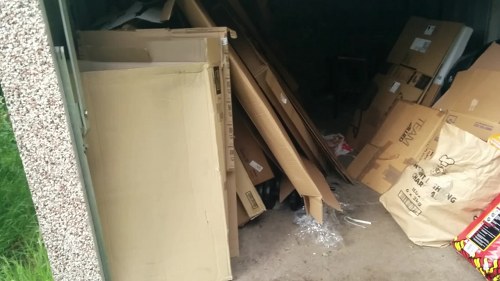
Not every commercial clearance is made up of bags and loose rubbish. Many jobs include bulky items such as desks, shelving, cabinets, counters, reception units, meeting tables or back-room storage. These pieces often need a different handling approach because they take more room, may be awkward to carry and can affect how the rest of the waste is loaded. A clear plan for bulky items helps avoid delays and makes it easier to decide which pieces can be moved together and which need careful disassembly.
When a site has a mixed load, the most useful method is usually to consider the waste in groups: general rubbish, reusable or recyclable materials, furniture, equipment and any other distinct category. That approach helps with both handling and disposal. If your job includes larger items that are clearly separate from the rest of the waste, a business waste removal service can still cover the whole load, but it becomes easier to describe the task accurately if the bulky pieces are identified early. Mixed loads are often where a short, practical description saves the most time.
For some customers, the main decision is whether to clear everything in one visit or stage the work across a few areas. That choice depends on access, available space and how the premises are used. A storage room, stock area or office suite may need different treatment from a single oversized item in a corridor or courtyard. If you are preparing for a quotation, it is usually enough to identify the largest items and any items that must be handled separately, then ask for an estimate based on the full load.
Recycling, sorting and responsible disposal
Commercial waste often contains material that can be diverted from general disposal if it is separated properly. Cardboard, some furniture, metal components, paper and selected clean materials may all need different handling routes depending on what has been collected. That is why sorting is not just a back-end concern; it is part of making the clearance more coherent from the start. The aim is to keep the service practical while still allowing useful material to be directed appropriately.
Our approach to responsible disposal is shaped by the type of material, the condition it is in and the way it has been stored or mixed together. For some jobs, the main task is straightforward removal; for others, the question is how best to deal with mixed loads that contain recoverable items. If sustainability is a concern, you can also read about recycling and sustainability to see how the broader approach is described. That can be helpful when your waste includes items that are not all suited to the same route.
General business customers often want reassurance that the disposal side is handled in a structured way, especially when the waste comes from regular trading, a move or an equipment replacement. We do not suggest that every item can be recycled, because that would be too broad, but sensible separation can improve the outcome where materials allow it. The most useful first step is still to identify what is in the load so that the correct handling can be considered.
Projects, refurbishments and end-of-tenancy clearances
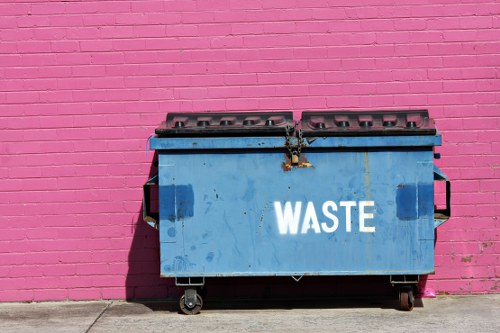
When commercial premises change use, undergo refurbishment or reach the end of a tenancy, waste can accumulate in a different pattern from routine day-to-day rubbish. The site may contain redundant fittings, old furniture, packaging from deliveries, broken fixtures, shelves, panels or materials left behind after work by other trades. These jobs need removal that is organised enough to follow the state of the premises, rather than a one-size-fits-all approach. That is especially important where access is limited or the clearance must happen before the next stage of work can begin.
In these situations, it is helpful to group the waste by room or area if that is practical, because it gives a clearer picture of what needs to be removed and in what order. A simple inventory does not need to be exhaustive; it only needs to show the main categories and any particularly awkward items. If you have multiple areas to clear, the most useful next step is to request a quotation and explain whether the load includes furniture, fixtures, mixed rubbish or materials left from a fit-out. For specific furniture-heavy jobs, furniture disposal may also be relevant where the items are no longer needed and must be removed carefully.
Keep any quotation request focused on the actual waste and the site conditions. That means noting whether there are stairs, shared access, loading restrictions, narrow corridors or items that need dismantling. If the work is tied to a moving date or a handover deadline, mention that too. The more accurately the job is described, the easier it is to match the removal with the practical realities of the property and avoid unnecessary confusion later.
Household-style items that appear in commercial premises
Commercial locations sometimes generate items that are more familiar from homes than from offices. Staff rooms, managed accommodation, showrooms and small premises may all contain sofas, mattresses, appliances or old domestic-style furniture that no longer serves a purpose. In those cases, the waste may need to be considered both as business rubbish and as bulky item removal. The important point is not the label on the item, but how it is stored, moved and disposed of safely and correctly.
If the waste includes domestic-style furniture, a separate service page can help clarify what is involved. For instance, you may want to see mattress and sofa disposal when those items make up part of the load, or use fridge and appliance removal where white goods need careful handling. These pages are useful because they describe the particular issues connected with bulky items that do not belong neatly in standard rubbish streams. They can also help when a business premises contains a mixture of ordinary waste and larger domestic-style goods.
Where a commercial site contains a range of mixed items, the best approach is to avoid under-describing the job. It is better to mention the bulky pieces up front than to leave them out and complicate the collection later. If you are unsure which category an item belongs in, describe it plainly and ask for guidance in the quotation request. That keeps the process direct and helps ensure the removal plan reflects the actual contents of the site.
Preparing your enquiry and choosing the right scope
There are two simple things that usually help most when arranging commercial waste removal: a short description of the material and a note on access. You do not need to prepare a formal spreadsheet unless the job is unusually complex. In many cases, a few sentences are enough to explain the premises, the main waste types and whether items are loose, bagged, stacked or stored in one area. That is often enough to give a meaningful first assessment.
The scope matters because commercial waste work can range from a small internal tidy-up to a fuller clearance of one or more rooms. If the load contains specialist material, sensitive documents, heavy fixtures or items that may need separate handling, say so clearly. You can also use the contact page to ask for a quotation when you are ready, especially if you want to set out the details in one place. A concise request often gives the fastest route to a useful reply.
To make the enquiry even clearer, it can help to include a simple list such as the one below, then add any important notes about timing or loading points:
- main type of waste;
- approximate amount or room count;
- bulky items or fixtures;
- access restrictions;
- preferred collection window.
Commercial waste support across different premises
Every commercial site has its own layout and waste pattern, so the service is most effective when it is matched to the actual premises rather than treated as a generic pickup. An office, workshop, retail unit or managed building each generates different items and different access issues. We keep the focus on removal that reflects those conditions, which is why the description of the job matters. A small quantity of clutter can be just as important as a larger clearance if it is blocking a room or delaying the next use of the space.
For business customers, the value of a well-planned waste service is often in the clarity it brings. You know what is being removed, what remains on site and what kind of handling is needed for each category. If your premises include a storage room, stock area, front-of-house space or office suite, the work can be organised around those zones. Where furniture, office items or mixed rubbish are involved, related services such as loft clearance or garage clearance may be useful as descriptive references for similar bulky clearances, although the actual job should always be described according to the site itself.
When you are ready to move forward, keep the final step simple: describe the waste, identify the access and ask for a quotation. If the job includes several types of material, say which items matter most so the scope can be understood correctly. That is the most reliable way to turn a mixed business load into a clear, practical removal plan.